New - Just Now





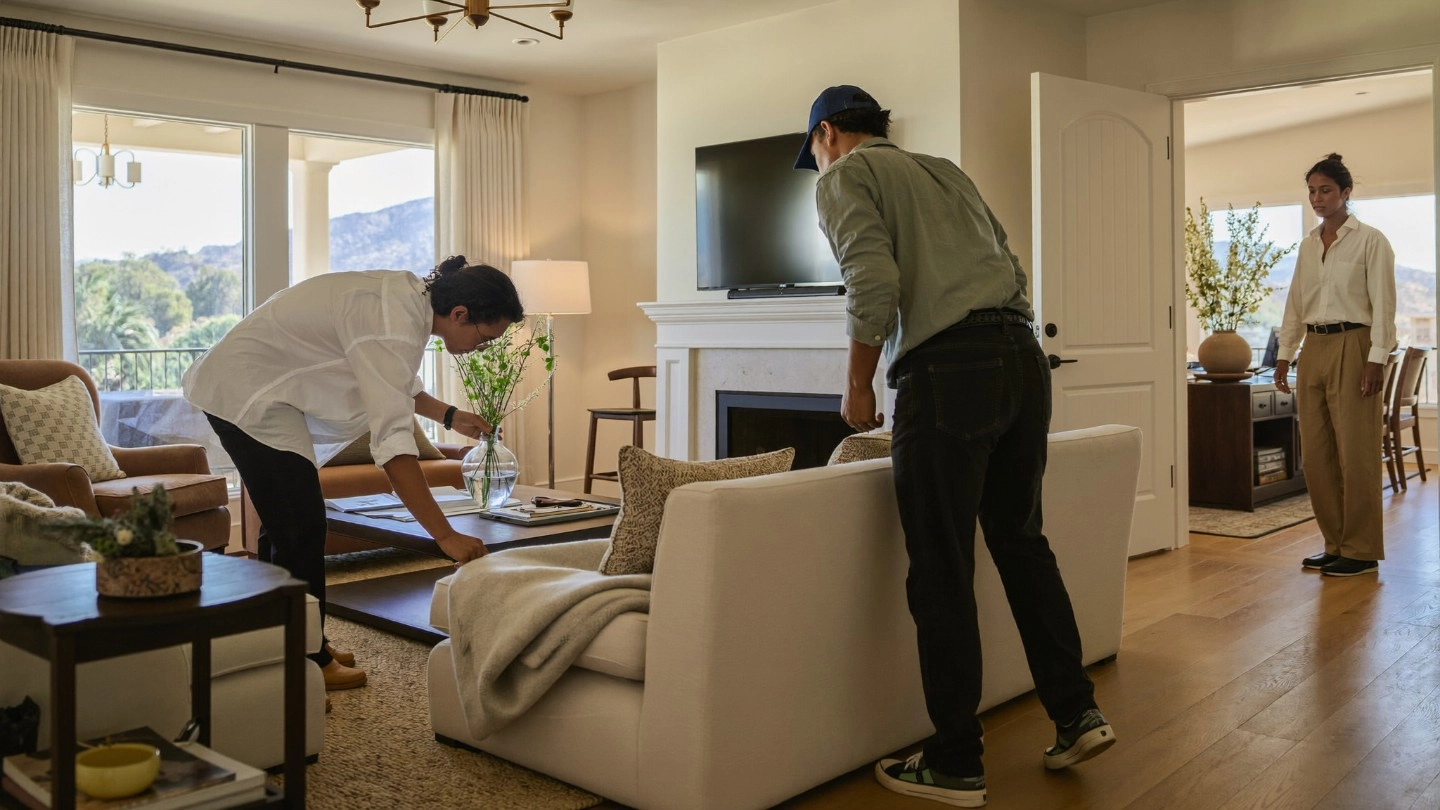
Let me save you some money before you read another word: you don't need to rent a warehouse of furniture to sell your Las Vegas home. Most of what actually moves a home is free, or close to it. After helping sell over 1,000 homes across Las Vegas and Henderson, I can tell you the sellers who get the strongest offers aren't the ones who spent the most on staging, they're the ones who staged the right things and skipped the rest.
Here's what I mean, and how to do it without wasting a dime.
Buyers don't buy square footage. They buy a feeling, the sense that they could drop their keys on the counter tonight and be home. Staging exists to create that feeling in the first eight seconds, because that's about how long it takes someone to form an opinion when they walk through the door (and even faster when they're scrolling photos on their phone).
That's the whole game. Everything below is in service of two things: making the home feel bigger and brighter than the one down the street, and helping a buyer picture their life in it instead of yours.
Ninety-plus percent of buyers see your home online before they ever set foot inside. In a market like ours, where a buyer can line up six showings in an afternoon, your photos decide whether you make the list at all. So the real deadline for staging isn't your first open house, it's photo day.
Get every room camera-ready before the photographer arrives. Open every blind. Turn on every light, even in daytime, because mixed natural and warm light reads better on camera. And clear the surfaces completely, kitchen counters, bathroom vanities, nightstands. Empty surfaces photograph as space, and space is what buyers are paying for.
If you do nothing else, do these.
Declutter until it feels almost empty. This is the single highest-return thing you can do, and it costs nothing but weekends. Pull out a third of your furniture, half your closet, and everything off the counters. Rooms feel larger, closets feel deeper, and buyers stop cataloging your stuff and start imagining theirs. Rent a small storage unit for a couple of months, it pays for itself.
Deep clean like you're getting a deposit back. Baseboards, grout, inside the oven, the sliding-door tracks that collect our famous valley dust. A spotless home signals a home that's been cared for, and buyers quietly assume the parts they can't see were maintained just as well. If you do one splurge, hire a professional cleaning crew for a full day.
Fix the small stuff. The leaky faucet, the sticky door, the cracked switch plate, the one bulb that's out. Individually they're nothing. Together they whisper "deferred maintenance," and that whisper turns into a lowball offer or a long inspection list. A handyman for half a day erases most of it.
Neutralize, don't renovate. You don't need to remodel the kitchen. You need paint. A fresh coat in a warm, neutral tone is the best dollar-for-dollar return in the whole process, it makes everything read clean, current, and move-in ready. Save the bold accent wall for your next place.
Let the light in. Our sunlight is one of the best assets a Las Vegas home has, so use it. Clean the windows, swap heavy drapes for something sheer, and add a lamp to any corner that goes dark. Bright reads as bigger, newer, and happier in person and in photos.
First impressions start at the curb, and desert landscaping actually makes this easier, there's no lawn to baby. Tidy the rock, trim the shrubs, pull the weeds along the walkway, and add two clean planters by the front door for a hit of green. Make sure the house numbers are visible and the front door looks sharp; a freshly painted door is one of the cheapest upgrades with an outsized effect. If your yard faces west and bakes in the afternoon, schedule showings and photos for morning light when everything looks its best.
A few paid touches earn their keep. Professional photography is non-negotiable, it's the difference between "scroll past" and "book a showing," and any listing we take gets it standard. Beyond that: fresh neutral paint, a one-day deep clean, new white towels and simple bedding for the photos, and modern hardware or updated light fixtures if yours are dated. That's usually the entire list. If a stager or your agent suggests more, ask exactly how it changes the offer you'll get, if there's no clear answer, skip it.
Don't repaint the exterior, replace flooring, or remodel a bathroom on the theory that buyers will pay you back for it, in most cases they won't, and you'll have tied up cash and weeks for a return that never shows up. Don't over-personalize with a designer's heavy hand; you want a canvas, not a statement. And don't stage around your own taste. The goal isn't a home you'd buy, it's one the widest pool of buyers can see themselves in.
Here's the part people miss: staging, pricing, and marketing aren't three separate decisions, they're one. A beautifully prepped home priced right and launched with real marketing creates competition, and competition is what drives the number up. Staging that's stapled onto a home that's overpriced just makes an overpriced home look nice. That's why we build the prep list, the pricing strategy, and the launch plan together, so every piece is pulling in the same direction. If you want to see what a smart prep-and-price plan looks like for your specific home, get a pricing strategy from our team, no pressure, just a straight read on where you stand.
Want to know what your home might sell for before you lift a paintbrush? Start with a quick home value estimate, and if you're planning to buy your next place too, ask us about Love It or Leave It. You can also see what past sellers have said about working with us on our reviews page.
Your next step: Get a Pricing Strategy → /guaranteed-home-sale-las-vegas
Do I really need to hire a professional stager to sell my Las Vegas home? Not usually. Most homes sell well with decluttering, a deep clean, fresh neutral paint, and professional photos. A full stager makes the most sense for vacant homes or higher-end properties where an empty space is hard for buyers to picture. Your agent can tell you which camp your home is in before you spend anything.
How much should I expect to spend on staging? It varies widely, but many Las Vegas sellers spend very little, the highest-return items (decluttering, cleaning, minor repairs) cost mostly time. If you add paint, a one-day deep clean, and a few refresh items, you're often still under a modest budget. The point is to spend where it changes the offer, not to spend a lot.
Does staging actually help a home sell faster or for more? Well-prepared homes tend to photograph better, show better, and give buyers fewer reasons to negotiate down, which supports both a quicker sale and a stronger price. It's not magic and it won't fix an overpriced listing, but paired with the right price and marketing it consistently helps.
Should I stage an empty home or leave it vacant? Empty rooms often look smaller and colder than buyers expect, and they make it hard to judge scale. Even light staging, or virtual staging in the photos, usually helps a vacant home show better. We'll advise on the most cost-effective approach for your property.
When should I start staging before listing? Work backward from photo day, not the open house, since most buyers meet your home online first. Give yourself one to two weeks for decluttering, repairs, and paint so everything is finished before the photographer arrives.
What's the single most important staging step? Declutter. It costs the least and does the most, it makes rooms feel larger, closets feel deeper, and helps buyers imagine their own life in the space instead of studying yours.

Mike is a Las Vegas native who has spent more than ten years helping people buy and sell across the valley. He has led The Roland Team to 1,000+ closings, and RealTrends Verified ranked him the No. 1 individual agent in Henderson and No. 6 in Nevada by transaction sides.


